
Did you know that there are over eight million different kinds of animals on the planet? When you consider that humanity only makes up one of those, it’s quite impressive. Looking at it from this angle, if you ask us, is humbling. While the exotic pet market is large, it appears that there is a limit to how far we can go. Fortunately, we have access to the internet. This allows us to observe some of the world’s most dangerous animals without risking our lives. Prepare to see the most terrifying creatures from the comfort of your own home. Although some of the animals listed below appear to be sweet and innocent, they are actually deadly.
Terrifying Species That Roam Our Planet
Great White Shark
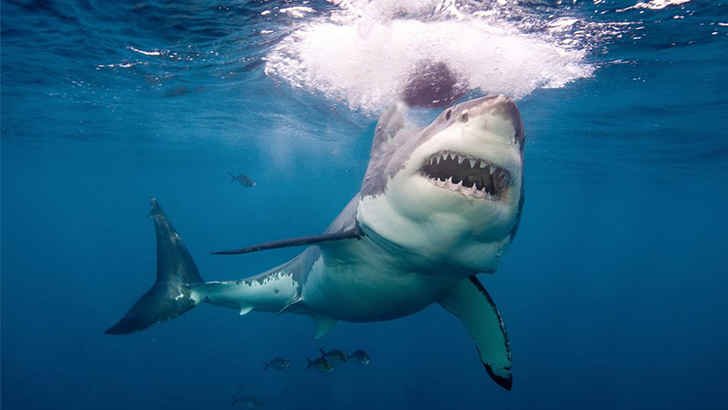
We all know sharks are dangerous animals, but the Great White Shark has to be the king of the sea. After all, this species can swim at speeds of up to 37 mph! Furthermore, they can reach a length of up to 20 feet. This works in their favor because it allows them to outmaneuver almost any prey in the water.
Great White Shark
Black Mamba
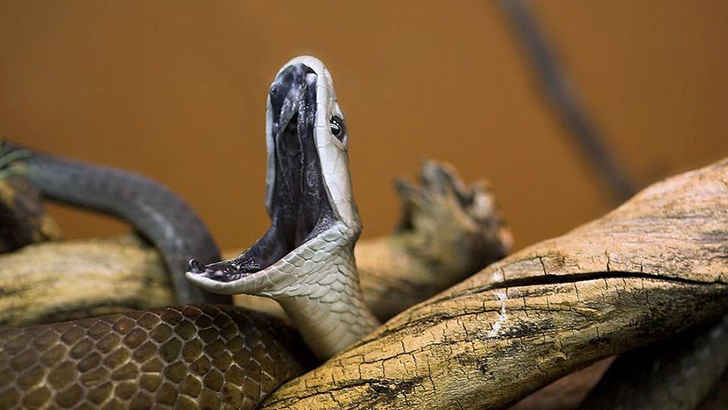
This animal’s name is derived from the black lining of its mouth. You’ve probably heard of the terrifying Black Mamba before! Their speed, in our opinion, is what makes them truly terrifying. After all, not many venomous snakes can travel at speeds of up to 12 and a half mph.
Black Mamba
Giant Pacific Octopus
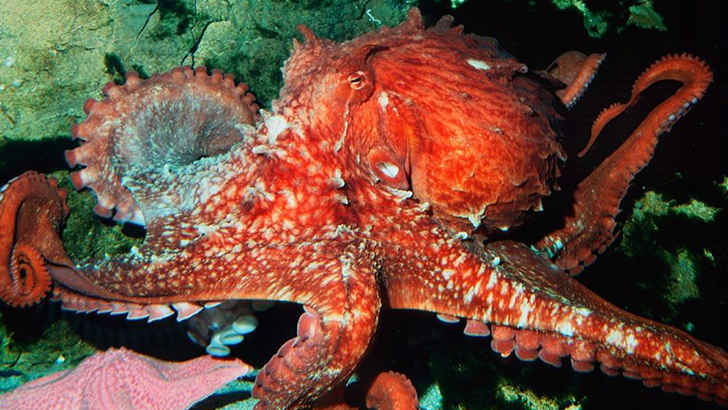
With a name like that, it’s only natural to assume this creature will be enormous. You’ve probably figured out where it’s kept. The Giant Pacific Octopus can reach a length of 16 feet and a weight of 110 pounds. When hunting for food, it can also adapt to its surroundings and hide undetected.
Giant Pacific Octopus
Deathstalker
Do you know what the world’s most dangerous scorpion is? The Deathstalker is the recipient of this honor. This animal’s venom is so potent that it can cause victims to experience paralysis, convulsions, fever, coma, and pain. Not only that, but its sting can sometimes result in death. Ouch.
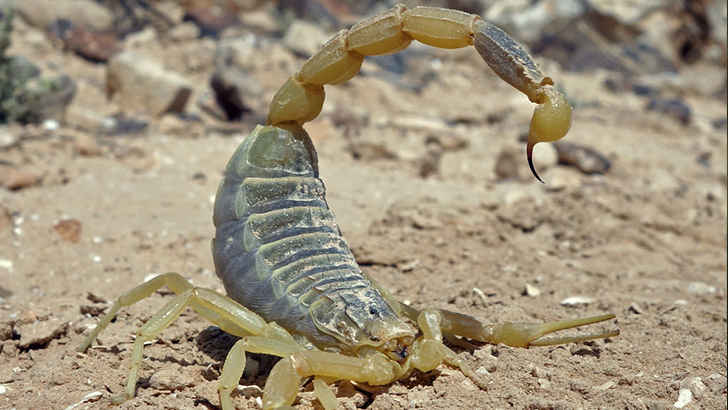
Deathstalker
Indian Taipan
Many snakes vie for the title of the most terrifying snake on the planet. Because of its powerful bite, the Indian Taipan is a strong contender. A single bite from this creature contains so much venom that it can kill a hundred adults or even 250,000 mice.
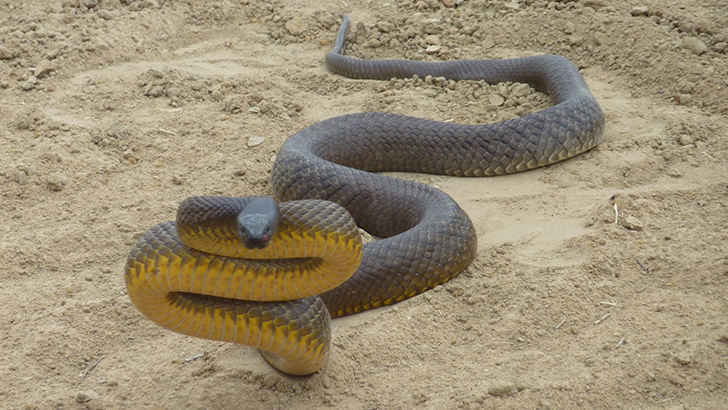
Indian Taipan
Komodo Dragon
Have you ever seen a Komodo Dragon on the lookout for prey? We sincerely hope you will never have the misfortune of witnessing this in person. This reptile prefers to hide in the bushes and wait for unsuspecting prey to pass by. It will then launch a terrifying full-scale attack once this has occurred.
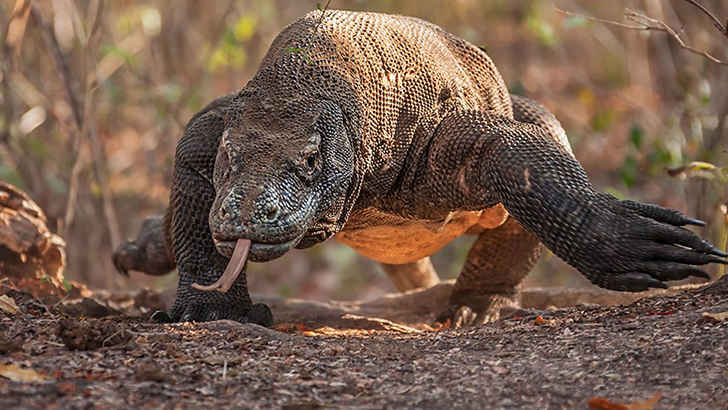
Komodo Dragon
Gorilla
How can you tell if a gorilla intends to attack? There are a few warning signs that you should be aware of. If one of them starts scratching, grunting, or thumping, you should be concerned. This is frequently the start of an aggressive outburst. Regardless of what you do, try not to provoke them.
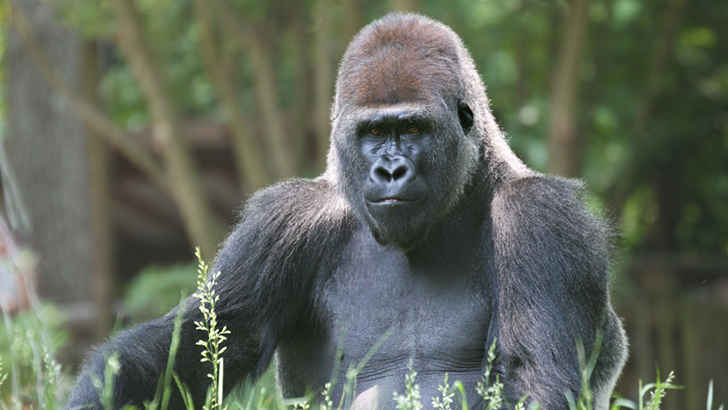
Gorilla
Brazilian Wandering Spider
Have you ever had the unfortunate experience of being bitten by a Brazilian Wandering Spider? We certainly hope not. After all, if something like this happens to you, you’re in for a bad time. Blurred vision, vertigo, excessive sweating, a fast or slow heartbeat, and high or low blood pressure are all possible symptoms!
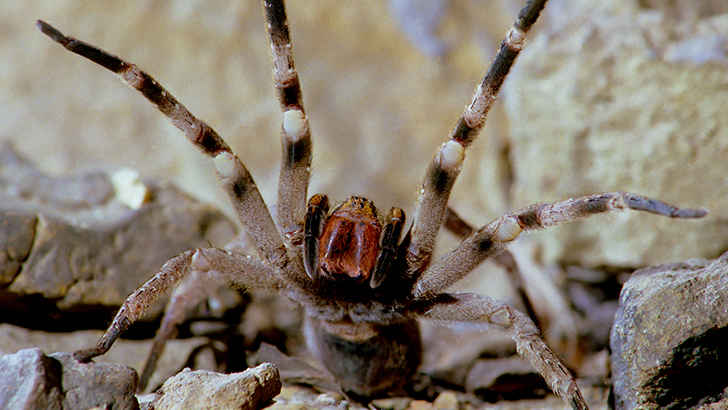
Brazilian Wandering Spider
Asian Giant Hornet
You are correct in your assumption that this animal can be found throughout Asia. The answer is right there in the name. The sting of the Asian Giant Hornet has been compared to a nail gunshot by victims. There’s a reason it was dubbed the “murder hornet” when it first arrived in North America last year.
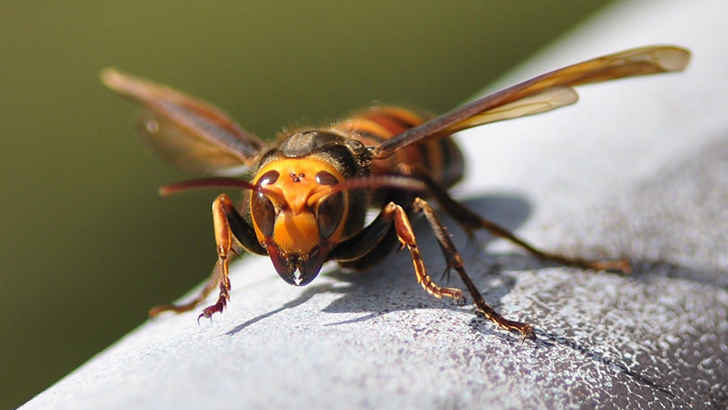
Asian Giant Hornet
Hippopotamus
We understand how surprising it is to see this animal on this list. Hippos, after all, are known for being quiet, peaceful, and slow animals. These creatures do not attack humans because they want to eat us. This usually occurs only when you provoke them. To be clear, the hippopotamus is a very territorial animal.
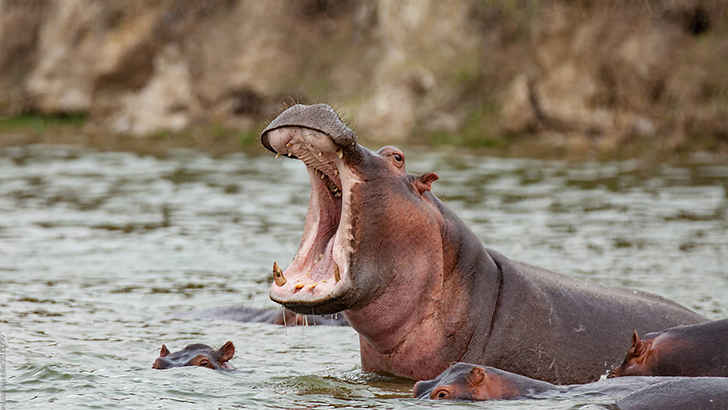
Hippopotamus
Saw-Scaled Viper
The saw-scaled viper is, in fact, a small viper. Its aggression, on the other hand, compensates for its lack of size. You only have ten hours to get help if this reptile bites you. After that, you can expect your circulatory system to collapse and a lot of internal bleeding. Ouch.
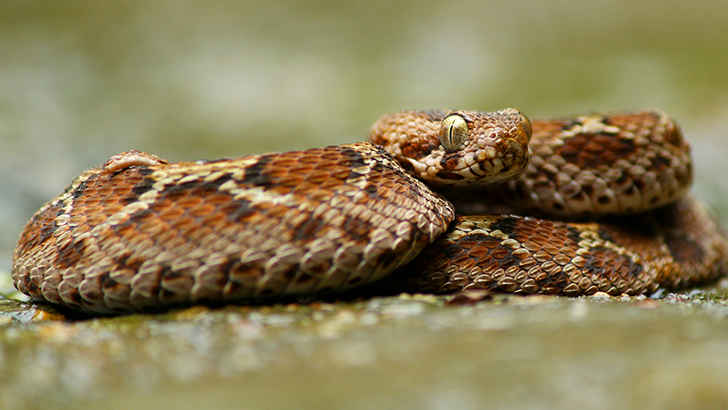
Saw Scaled Viper
Puffer Fish
The pufferfish is known as the clumsiest fish in the oceans. We are confident that you are familiar with how it appears! While we agree that it is adorable, you should exercise caution when in the presence of this animal. It puffs up and becomes too big for its predators, but tetrodotoxin is found on nearly every species of it.
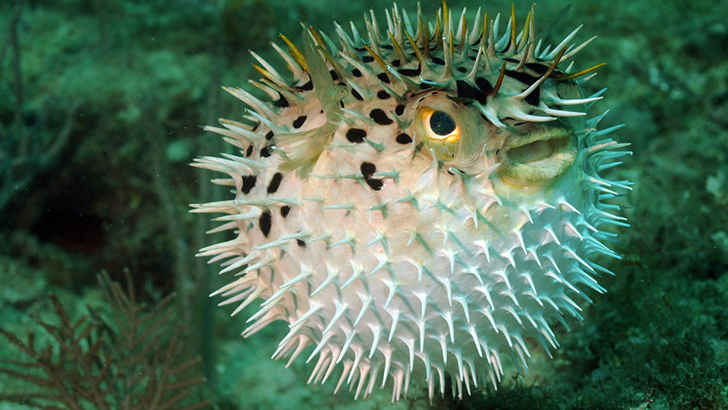
Puffer Fish
Assassin Bug
What is the origin of the term “assassin bug”? Well, the name already speaks for itself. It’s also known as the kissing bug for some reason. Can you figure out why? This insect bites humans in the lip area, which is the answer to that question! They then proceed to deliver their potentially fatal sting—what a way to go.
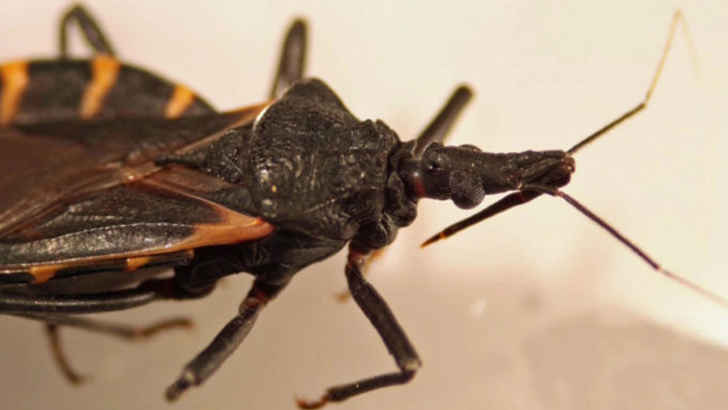
Assassin Bug
Piranha
Piranhas have dominated South American waters for millions of years. Despite the fact that there are a few different types of fish, some are more dangerous than others. Allow us to reveal which ones they are. The black and red-bellied piranhas should be avoided at all costs!
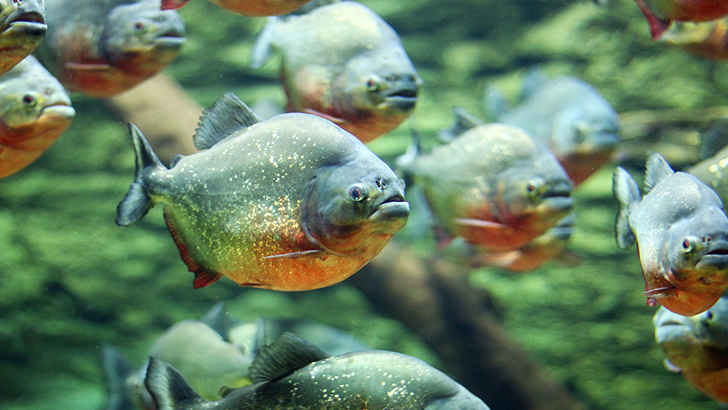
Piranha
Spectacled Caiman
We can’t express how grateful we are that most Caimans are too small to take us on. While we are fortunate, they do pose a threat to animals much smaller than us. They are ideal for hunting a variety of prey! Their powerful tails, small eyes, and powerful jaws play a role in this.
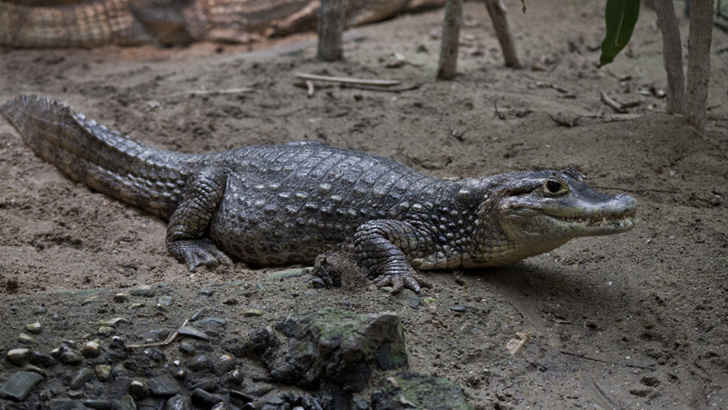
Spectacled Caiman
Blue Sea Dragon
Blue sea dragon, blue angel, and even blue ocean slug are some of the names given to this strange and wonderful-looking creature. They belong to the Glaucidae family and are small species. They usually live in the open sea, floating upside down on the water’s surface tension to stay afloat while being swept along by the winds and ocean currents. People frequently fail to notice them because they blend in with the blue of the water.

Blue Sea Dragon
Hooded Seal
Although the Hooded Seal appears to be a cute animal that you might want to keep as a pet, don’t be fooled by its appearance. The hooded seal is a large phocid with irregular black spots covering most of its body and faces that are frequently completely black. The female hooded seals, in particular, are known to be aggressive, as they have a natural instinct to protect their offspring. They get their name from their hooded nasal cavities, which is a fun fact.

Hooded Seal
Haiku Bird
Some even consider this bird to be one of the most beautiful creatures on the planet, despite its mystical appearance. The Haiku bird is a four-legged, extremely rare bird. This species is known in Hindu mythology as Hyku, the goddess Parvathi. It is also said to eat bananas most of the time. The Haiku bird can be found in Asian countries like Nepal.

Haiku Bird
Stonefish
Check out the world’s most dangerous fish! The stonefish has a good sense of camouflage, which makes it even scarier in our eyes. What happens if this sea creature is in danger? In order to defend itself, it has been known to shoot out thirteen venomous spines. Don’t say that we didn’t warn you!
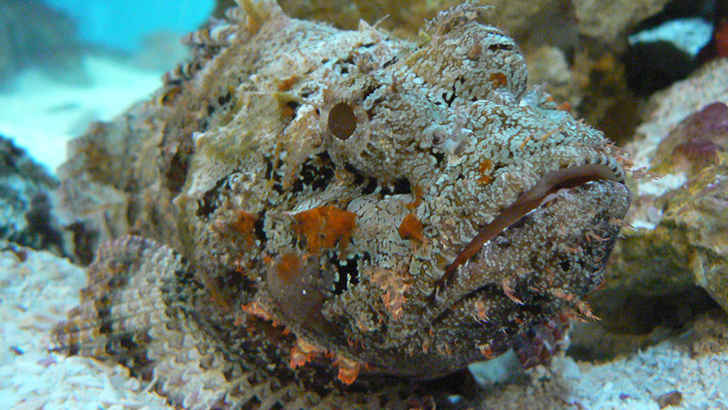
Stonefish
Water Monitor
Just wait until you hear this amazing but terrifying water monitor! With the help of its tongues, this creature can actually smell underwater or underground! Following that, this animal will go to any length to catch its prey. It will swim, climb, and run if that is what it needs to do/
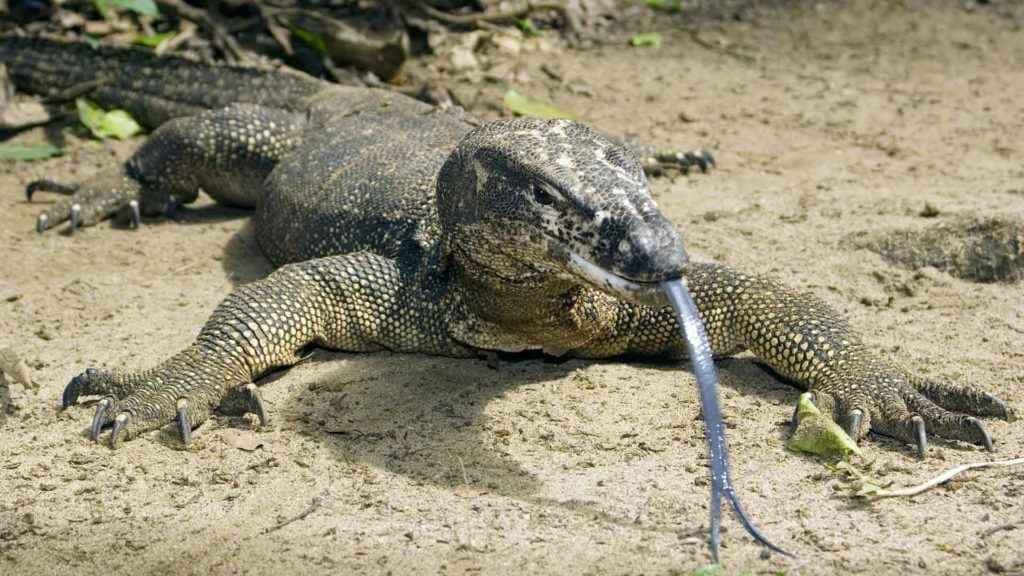
Water Monitor
Anaconda
Anaconda snakes have been known to grow up to 30 feet long! This is a massive animal, and its size and weight make it even more dangerous. These creatures will catch and bite their prey, but the worst is yet to come. It will then crush them to death once that is accomplished! Ouch.
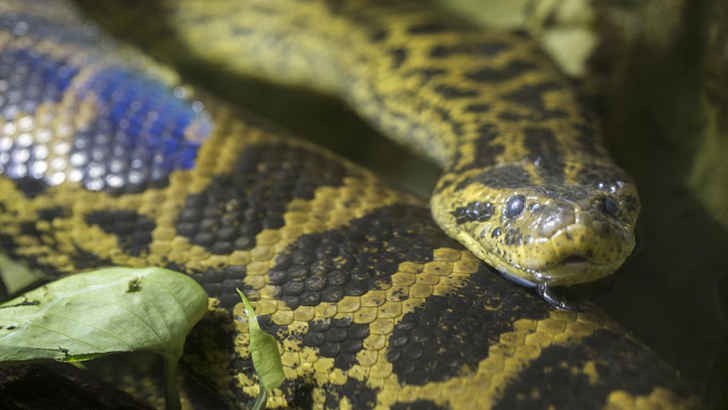
Anaconda
Tarsier
Tarsiers are adorable little creatures, we agree. They resemble the bug-eyed teddy bears of our childhood fantasies! Nonetheless, you should never judge a book by its cover. You might get hurt if you do! After all, it has a terrifying bite that makes it one of the most dangerous animals on the planet. It’s small, but can be terrible!
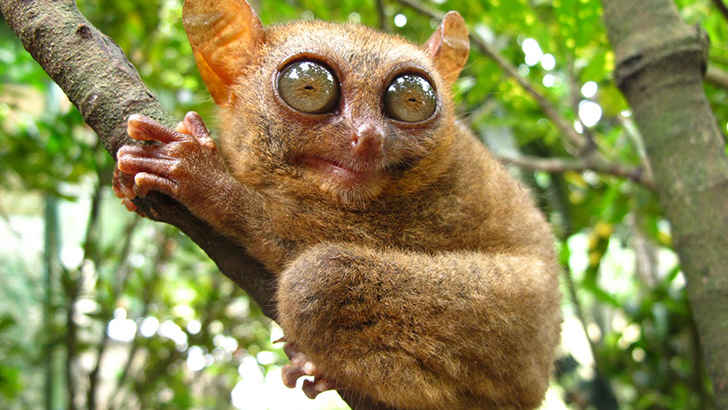
Tarsier
King Cobra
What can reach a height of 18 feet and then lift a third of its height off the ground in the blink of an eye? Of course, the answer is none other than the King cobra. This creature is the world’s longest venomous snake. As you might expect, it packs a punch with its bite.
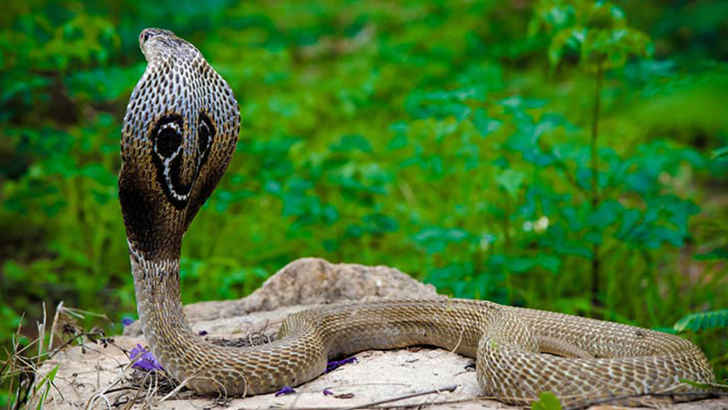
King Cobra
African Elephant
Another creature that made the list because of its size is this one. The African elephant may appear to be a harmless creature, but that does not mean it is not dangerous. The old and young male elephants have the most difficult time. Be careful around them because their 12,000-pound weight can crush you.
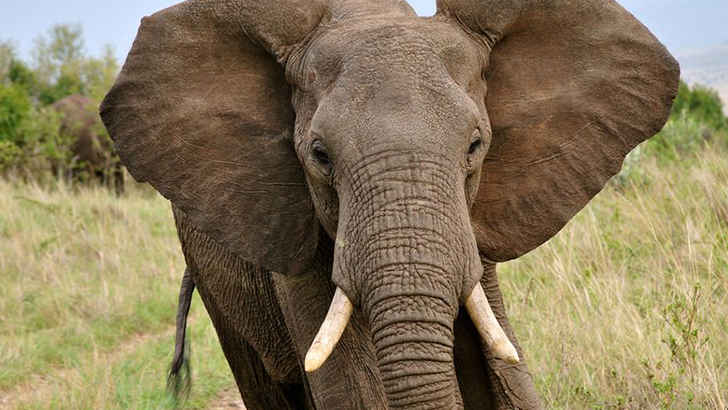
African Elephant
Portuguese Man O’ War
Do you know what the Portuguese Man O’ War is? It’s a siphonophore, which means it’s made up of several colonies that work together to stay alive. They are truly amazing creatures to observe. Some of them have tentacles that can reach 165 feet in length! Whoa.
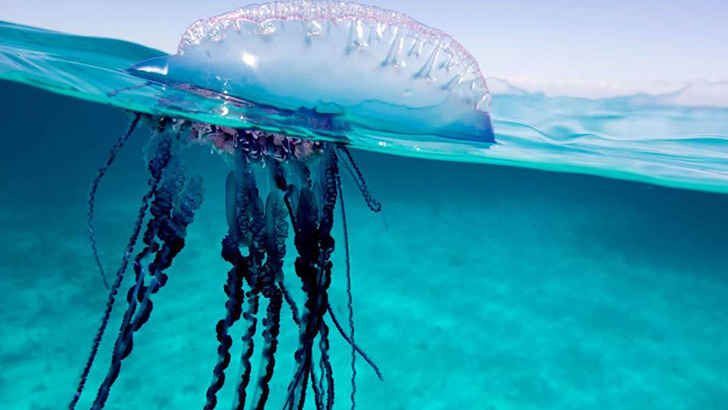
Portuguese Man O’ War
Sidewinder
These animals’ names are incredibly descriptive, which we adore. Can you figure out why this snake is known as the sidewinder? This is due to the fact that this animal moves in a sideways motion! It can be found in both North and South America. This creature will ambush and inject its venom into any prey that gets too close. Take care.
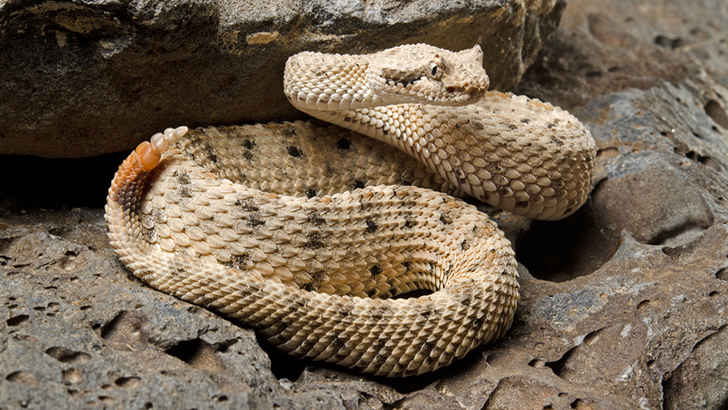
Sidewinder
Saltwater Crocodile
The saltwater crocodile can grow to be 17 feet long, in case you didn’t know. It has incredible strength and size, allowing it to take down almost any animal in its path. In fact, it has jaws so powerful that it appears to be biting through twigs while crushing bones. Stay as far away as possible.
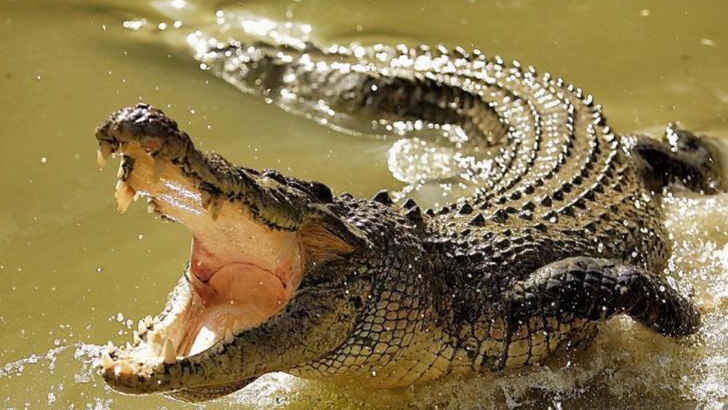
Saltwater Crocodile
Poison Dart Frog
We cannot deny the enormous size of poison dart frogs. Unlike the other creatures on this list, this one didn’t get a spot because of its size! Instead, its toxic skin has brought it here. This creature is so powerful that it has earned the reputation of being one of the most poisonous animals on the planet.
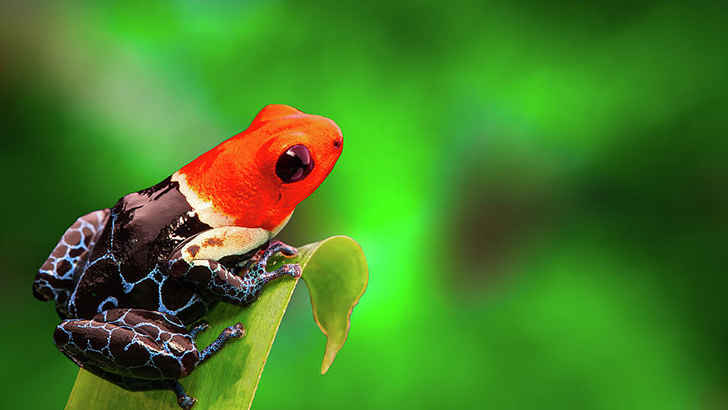
Poison Dart Frog
Blue-Ringed Octopus
Before you try to get up close and personal with a blue-ringed octopus, you should think twice. It has the ability to secrete so much venom that it can pierce the skin of other aquatic creatures. After five minutes, everyone will have difficulty speaking and will feel numb. It’s even possible to become completely paralyzed!
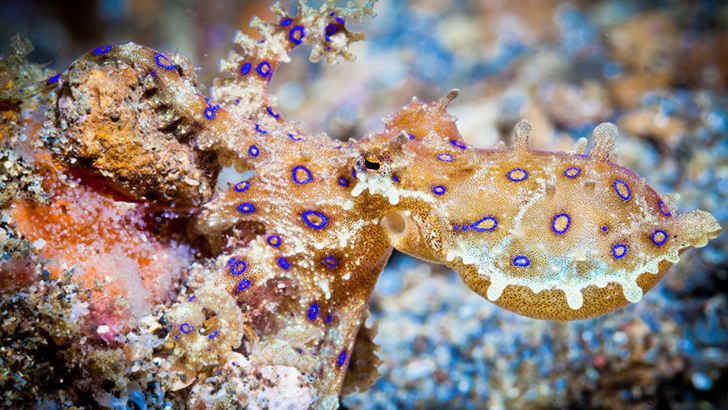
Blue-Ringed Octopus
Flower Urchin
A photo of the world’s most dangerous sea urchin is shown below. Although the flower urchin has a lovely name, you should avoid it at all costs. You should be aware that it contains two types of venom. Muscle spasms are caused by the first type, while the second causes convulsions, anaphylactic shock, and possibly death.
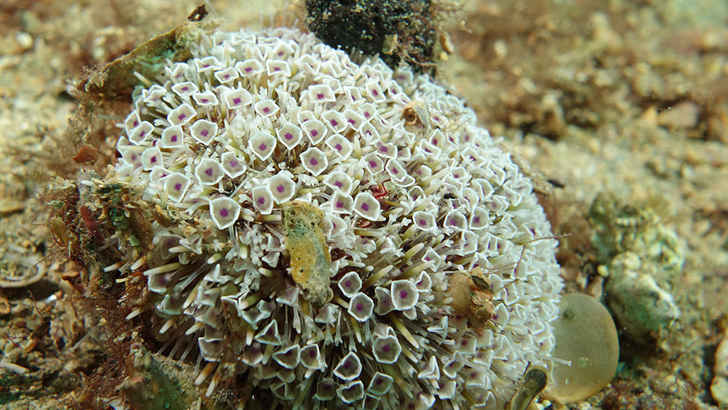
Flower Urchin
Africanized Honey Bee
Is it possible that the Africanized honey bee is the result of a freak accident? It was created as part of a research project to develop a more productive bee species. Voila! Even if this were the case, it’s worth noting that the insects have since earned the moniker “killer bees.”
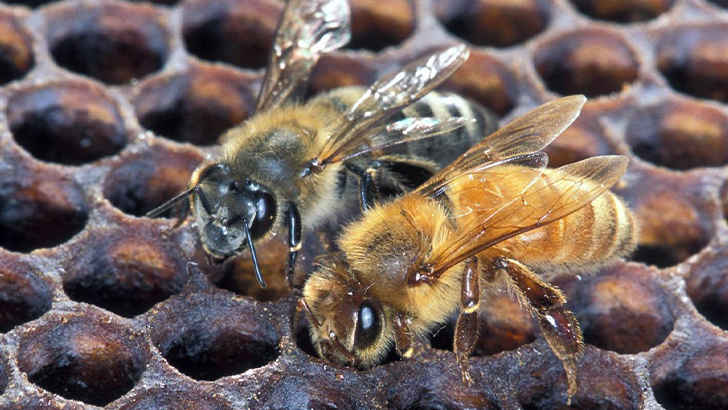
Africanized Honey Bee
Cone Snail
This creature may not appear to be all that different from other snails, but there is something about it that sets it apart. For starters, beneath its shell is a needle-like tongue that can inject over a hundred toxins in a matter of seconds! Isn’t that one of the most terrifying things you’ve ever heard?
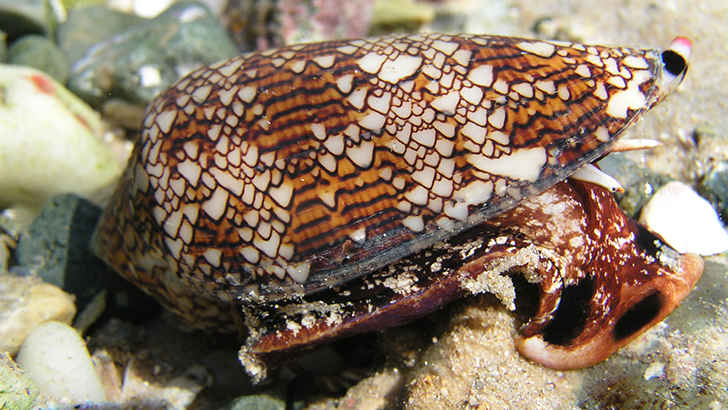
Cone Snail
Bullet Ant
The person who came up with the name “bullet ant” deserves praise. That has to be the coolest name on the list, which is saying something. People have compared the sensation of being stung by this insect to that of being shot. Yikes. On the plus side, it can only kill someone who is allergic to it. Yay? You’d better cross your fingers that you don’t have an allergic reaction to it.
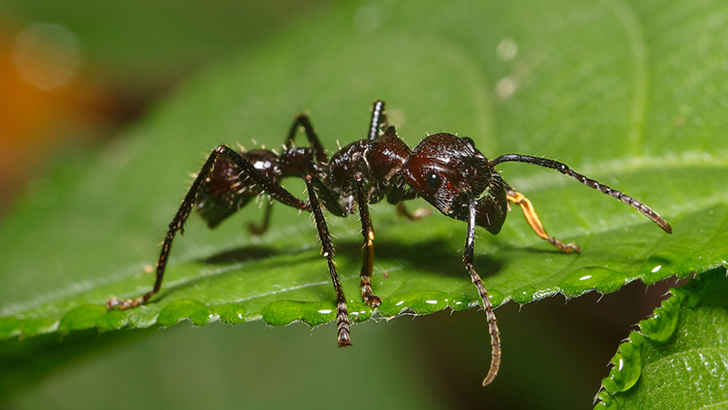
Bullet Ant
Dingo
A medium-sized canine with a lean, hard body, the dingo has been adapted for strength, agility, and endurance. The three primary coat colorations of the dingo are soft ginger or tan, black, and tan or creamy white. In comparison to the rest of the body, the skull is wedge-shaped and tends to be very high. The dingo is closely related to the New Guinea singing dog and the New Guinea Highland wild dog, both of which have ancestors that split early from that of today’s domestic dogs and can be traced back to Asia via the Malay Archipelago.

Dingo
Coastal Taipan
According to an old joke, any animal found in Australia wishes to kill you. The Common or Coastal Taipan could be one of the reasons for this. Both New Guinea and Australia are home to this species. The neurotoxin in its venom can kill a person within half an hour of being bitten. We hope you will be able to get to the hospital as soon as possible if you are bitten by it.

Coastal Taipan
Philippine Cobra
According to an old joke, any animal found in Australia wishes to kill you. The Common or Coastal Taipan could be one of the reasons for this. Both New Guinea and Australia are home to this species. The neurotoxin in its venom can kill a person within half an hour of being bitten. We hope you will be able to get to the hospital as soon as possible if you are bitten by it.

Philippine Cobra
Eastern Diamondback Rattlesnake
The Eastern Diamondback Rattlesnake is the largest venomous snake in North America. It has a distinctive black, tan, and grey diamond pattern running down its body and can grow to be 8 feet long. The good news is that it is not aggressive and only bites when provoked. If you are bitten, be aware that untreated bites can result in severe pain, bleeding, and even death.

Eastern Diamondback Rattlesnake
Burmese Python
Is the snake in the picture swallowing a crocodile or an alligator? You’re on the right track if that’s the case. Allow yourself some time to process that. The Burmese python is the world’s second-largest snake in terms of both weight and length. It can reach a length of seven and a half feet and a width of 19 feet, weighing up to 400 pounds. They’re also nonvenomous constrictors, meaning they can simply suffocate their prey.

Burmese Python
Western Diamondback Rattlesnake
The American Southwest isn’t complete for many people until they see a Western Diamondback Rattlesnake. The snake blends in better with the scrub and sand because it is tanner and smaller than its eastern counterpart. It has large venom glands and unique fangs that enable it to deliver a large dose of venom when it bites. Don’t provoke it! It’s also not particularly offensive in general.

Western Diamondback Rattlesnake
Common Lancehead
The Common Lancehead is also known as Fer-de-lance or Bothrops Atrox. It’s a dangerous Pit Viper subspecies found in northern South America’s lowlands and on several Caribbean islands. It has a grey and brown body and can reach a length of five feet. Due to its appearance, it can blend in well with the foliage. Its venom is a potent hemotoxin that causes paralysis and memory loss among other neurological issues.

Common Lancehead
Reticulated Python
A fully coiled reticulated python is shown here. It’s the world’s longest snake, according to legend! We’ve already looked at anacondas, which are the biggest in terms of size and volume. The reticulated python, despite being lighter in weight than an anaconda, grows even longer. These creatures have been known to reach lengths of up to 33 feet! It, like other pythons, is a nonvenomous constrictor. It has even been reported to kill people, so proceed with caution.

Reticulated Python
Eastern Brown Snake
Do you know where the world’s second most venomous snake can be seen? That question has an answer: Australia! Keep an eye on your step when hiking in Australia’s east. The venom of the snake is extremely neurotoxic and can cause blood clots. The bite can cause kidney failure, heart attack, paralysis, and loss of consciousness, among other things. Because of the noxious mix of neurotoxins it carries, it is responsible for 60% of snakebite deaths in Australia.

Eastern Brown Snake
Boomslang
The Boomslang is a stunning emerald green snake native to Sub-Saharan Africa. When it bites, it opens its jaws nearly 180 degrees and then injects a concentrated venom through the fangs at the back of the jawbone. Because it’s a silent killer, the symptoms won’t appear for several hours after the bite. Many victims believe they are fine and do not require medical attention. This is a mistake that could cost you your life. This is not a mistake you want to make.

Boomslang
African Puff Adder
Fun fact: this snake is responsible for the majority of snakebite fatalities on the African continent. This snake is even more dangerous than the Black Mamba because of its golden and brown body. It’s abrasive and can blend in well in a dry setting. This snake can use its body to leverage and strike with incredible force and speed when the prey gets too close.

African Puff Adder
Monocled Cobra
When you’re in the swamps or wetlands, you might feel like someone is watching you. It could be the Monocled Cobra if you’re in Southeast or South Asia. This cobra prefers water and can be found in forests, grasslands, and rice fields. The eye-shaped pattern on its hood helps to identify it. Because its venom can kill you in less than an hour, it is responsible for a large number of snakebite deaths in Thailand.

Monocled Cobra
Saw-Scaled Viper
In some ways, the Saw-Scaled Viper is the polar opposite of the King Cobra. It is a small snake that can reach a length of 3 feet. On the other hand, its venom is extremely cytotoxic and hemotoxic. They are capable of causing debilitating strokes as well as prolonged bleeding. Several sub-species can be found in eastern and northern Africa, while others can be found in the wetter regions of the Arabian Peninsula.

Saw-Scaled Viper
Common Krait
There are more deadly snakes in India than you might think. The Common Krait is one of the “big four” snake species that are responsible for the majority of snakebite deaths in the region. It can be found all over the subcontinent. The striking animal’s black and white ring patterns help it blend in with the light and shadows on the forest floor. Despite its non-aggressive nature, this animal takes its time to deliver the maximum amount of venom.

Common Krait
Russell’s Viper
In Southeast Asia and India, this snake is feared by city dwellers. What is the reason behind this? Russell’s viper is a venomous snake that can reach a length of 6 feet. It primarily consumes rodents. It goes to cities looking for small mammals. It is the cause of a significant number of snakebite deaths in the area.

Russell’s Viper
Chinese Cobra
Can you imagine two snakes in one? A Chinese Cobra is already lethal on its own, so can you imagine two snakes together? This species made headlines in 2015 when a two-headed snake was born to a snake breeder in Yulin, China. In 2009, a two-headed member of the species was born, according to reports. You can find a lot of highly venomous snakes in Taiwan and mainland China.

Chinese Cobra